
When to Buy Used Farm Equipment vs New Equipment
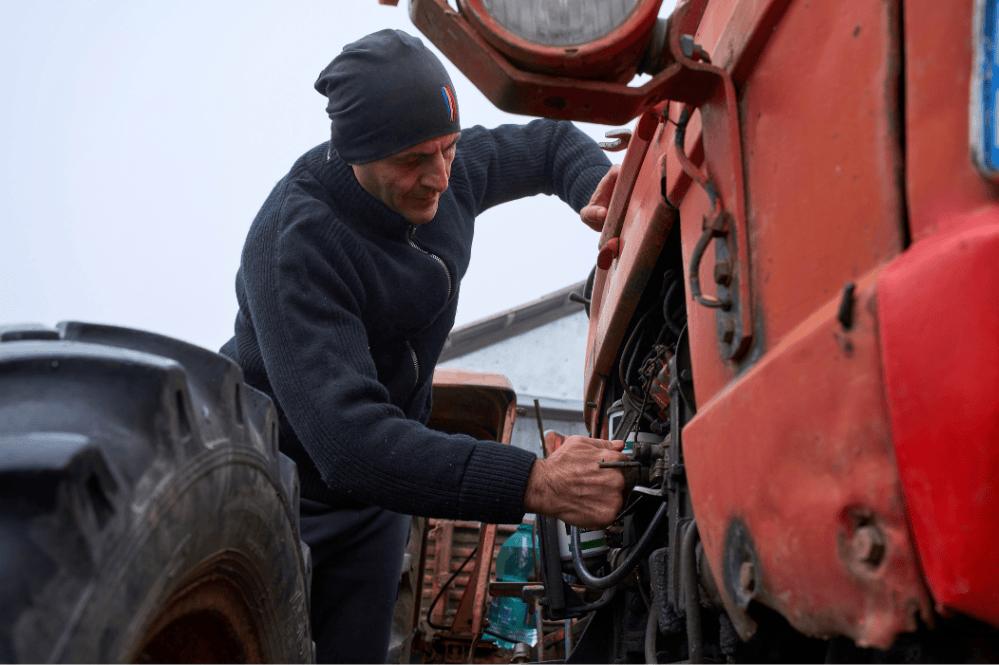
It’s no secret that running a farm takes constant work. The right equipment will make or break the success of any farm. When you find equipment that you love, you’ll want to hold onto it for as long as you can. But as farming equipment undergoes a lot of wear and tear on a regular basis, even the best equipment will last for only so long. When it’s time to replace your equipment, you’ll have to ask yourself a very crucial question — should you go with brand new or used equipment?
There are pros and cons to either decision. For example, buying new gets you the latest equipment in the very best condition. But buying used is often considered to be the best economical choice.
“Everybody’s different,” said Jimmy Nichols, a salesman at Mt. Airy Equipment in North Carolina told Farm Equipment of the Virginias. “Some people buy new because they can and they want the latest upgrades. Others buy used because it’s more economical and they know they can find reliable machinery at a good price.”
When it comes to buying new vs used, there’s no wrong answer. That’s what can make the decision so difficult for modern farmers. In this article, we’ll walk you through everything you need to know about buying farm equipment. We’ll share considerations for when to buy, and the pros and cons of both buying new equipment or purchasing used equipment. You’ll walk away with a better understanding of which option makes the most sense for your farm’s operations.
When to Consider Replacing Your Equipment
Before you make the leap in purchasing a new piece of equipment, you should first assess it to see if there’s any chance to repair your equipment. Take a look at the following list of considerations before beginning your research for new equipment.
When to Repair Your Equipment
- Your equipment only has minor damage. The more minor the damage, the easier it will be to repair. As Holt Ag Solutions says, “Minor problems, such as a damaged hose or a faulty sensor, are typically more cost-effective to repair than replacing the whole machine.”
- Your equipment is on the newer side. If your equipment is not far along in its lifespan, it’s worthwhile to repair instead of replace. Routine maintenance and timely repairs will significantly expand your machinery’s lifespan.
- Easy access to new parts. If you’ve identified the broken part of your equipment and it’s easy to get a new one, it makes more financial sense to purchase that new part instead of a brand new machine.
- Your can’t afford the downtime. When you completely replace machines, you can expect some downtime. However, there are some pieces of farm equipment that are simply too crucial to not be in use. If you can’t afford to have a specific piece of equipment out of rotation, opt to repair instead of replace.
When it’s Time to Replace Your Equipment
Is it no longer safe to use the equipment in question? Would repairs be costlier than a new machine? Are you experiencing regular downtime with the faulty equipment? If you’ve answered yes to any of these questions, it’s time to buy a new piece of equipment. Take a look at the following questions before you begin your purchasing journey for a new piece of farm equipment:
- What kind of budget does your current cash flow allow for?
- How much downtime can you afford while you look for new equipment?
- What kind of technology will you require in this new machinery?
- Will the new piece of equipment have parts that are readily available for future repairs?
Purchasing Considerations
Once you decide to buy a new piece of equipment, a few practical factors should guide your decision. Evaluating these upfront helps you avoid unnecessary costs and operational issues further down the line.
Budget and Cash Flow
A lower upfront cost does not always mean lower long-term expense. You need to look beyond the flat cost upon purchase. Consider the following factors:
- Financing and interest costs
- Insurance
- Regular Maintenance and repairs
- How payments may align with seasonal income
Usage Needs
You should buy equipment that aligns with how often you use it and anticipated wear and tear. Ask yourself:
- Will this machine see daily, seasonal, or occasional use?
- How critical is it to regular operations on your farm?
- Does heavier use justify higher upfront cost or warranty coverage?
Seller Reputation and Support
Seller transparency is huge. Who you buy from matters, especially with used equipment. A reputable seller should provide:
- Maintenance and service records
- Inspection documentation
- Access to parts or service support
- Lower prices from private sellers often come with fewer protections.
Compatibility with Existing Equipment
Any new machines you purchase should work with your existing equipment. Incompatible machines can upend your daily operations. Make sure you check:
- Hitch and hydraulic compatibility
- Precision ag system alignment
- Power and control requirements
The Pros and Cons of Buying Used Farm Equipment
Buying used equipment typically offers solid value and helps you manage your budget. But it also introduces more uncertainty than buying new. To decide if it fits your farm’s operation, you need to look closely at what you gain and what you risk. These pros and cons help you make a clear, informed choice.
The Pros of Buying Used Farm Equipment
The most obvious advantage of used farm equipment is that it will be the fraction of the cost of new machinery. If you’re on a tight budget, this might be the best route to go. Pre-owned equipment will also likely be available quicker, as the the equipment you see online or in person is typically 1-of-1.
If you decide to go the used route, that will open up your choices to a number of different models and makes of farm equipment. As these machines have been around for a while, you’ll likely be very familiar with how to operate them. That means there will be less of a learning curve, and little to zero downtime to add this machinery to your daily operations. Finally, the purchaser can likely personally vouch for the effectiveness and reliability of the machine you are purchasing.
The Cons of Purchasing Used Machinery
On the flip side, one of the most obvious disadvantages to buying used equipment is age. The older a machine is, the more wear and tear it has — some of that wear and tear might be hidden. So you might be looking at a higher frequency of repairs. The severity of those future repairs might end up completely catching you off guard as well.
If your machine ends up being defective, you likely won’t be able to get a warranty that allows you to return it. Finally, older machines will be slightly more limited in their capabilities. That means you may have a challenging time finding the right machine to perform the task needed on your farm. The longer you spend searching for the right equipment, the more downtime and loss of revenue you will be looking at.
Pros and Cons of Buying New Equipment
New equipment can make your farming operations easier and more efficient. However, brand new machines require a serious financial investment. It is important to look at the advantages and the drawbacks before you decide to purchase new equipment.
The Benefits of Buying New Farm Equipment
Buying new equipment provides exciting opportunities for your farm. You’ll likely get the most bang for your buck by going this route. For example, buying new equipment allows you to take advantage of the manufacturers’ warranty.
The Drawbacks of Buying New Farm Equipment
While buying the latest piece of farming machinery seems exciting, going this route has its drawbacks, too.
TL;DR — Deciding Between New and Used Farm Equipment is a Subjective Decision
Buying a new piece of equipment is a serious decision for any farmer that takes a lot of time and consideration.
Whether you decide to go with new or used farm equipment, Agriteer is here to help with your purchasing journey.
Contact us now to learn more about what we can do for you and your farm: